
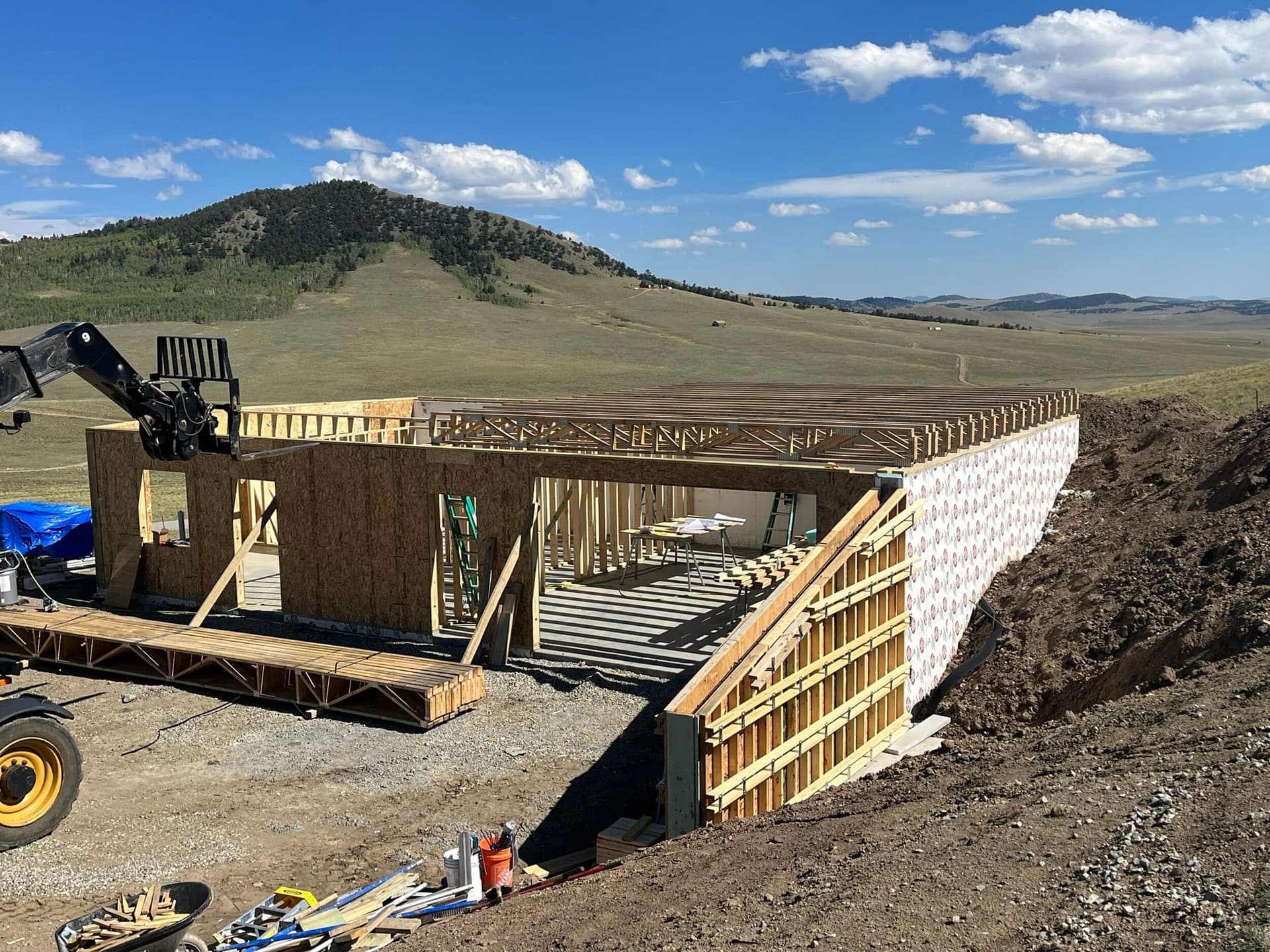
Built for the Colorado That Actually Shows Up
Hail, fast-moving wildfire, local snow loads, and site-specific wind exposure turn resilience from a talking point into a design input.
Code establishes a floor. The site establishes the problem.
Northern Colorado does not present one uniform hazard profile. The useful resilience conversation starts with the jurisdiction, elevation, exposure, insurance market, and owner priorities, then chooses assemblies that address the risks supported by that evidence.
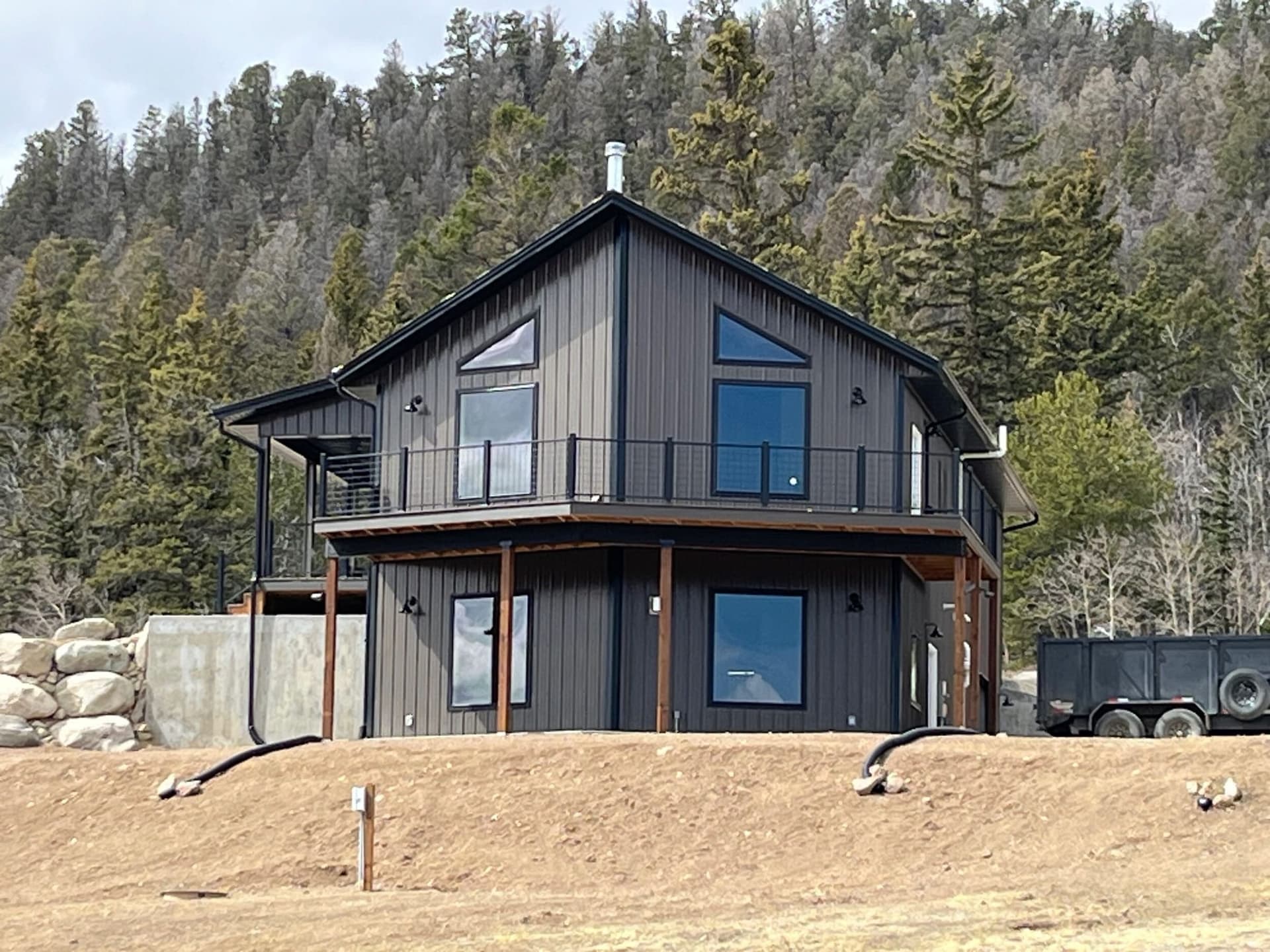
Hail is Colorado's recurring insurance event.
Colorado's Division of Insurance identifies hail among the state's disaster risks and offers insurance guidance after storms. Compare impact-rated roofing and exterior options with site exposure, replacement cost and the actual coverage terms. A material rating is not a promise that a roof will survive every storm or qualify for an insurance discount.1
Hail exposure
Impact-rated options
Insurance coordination
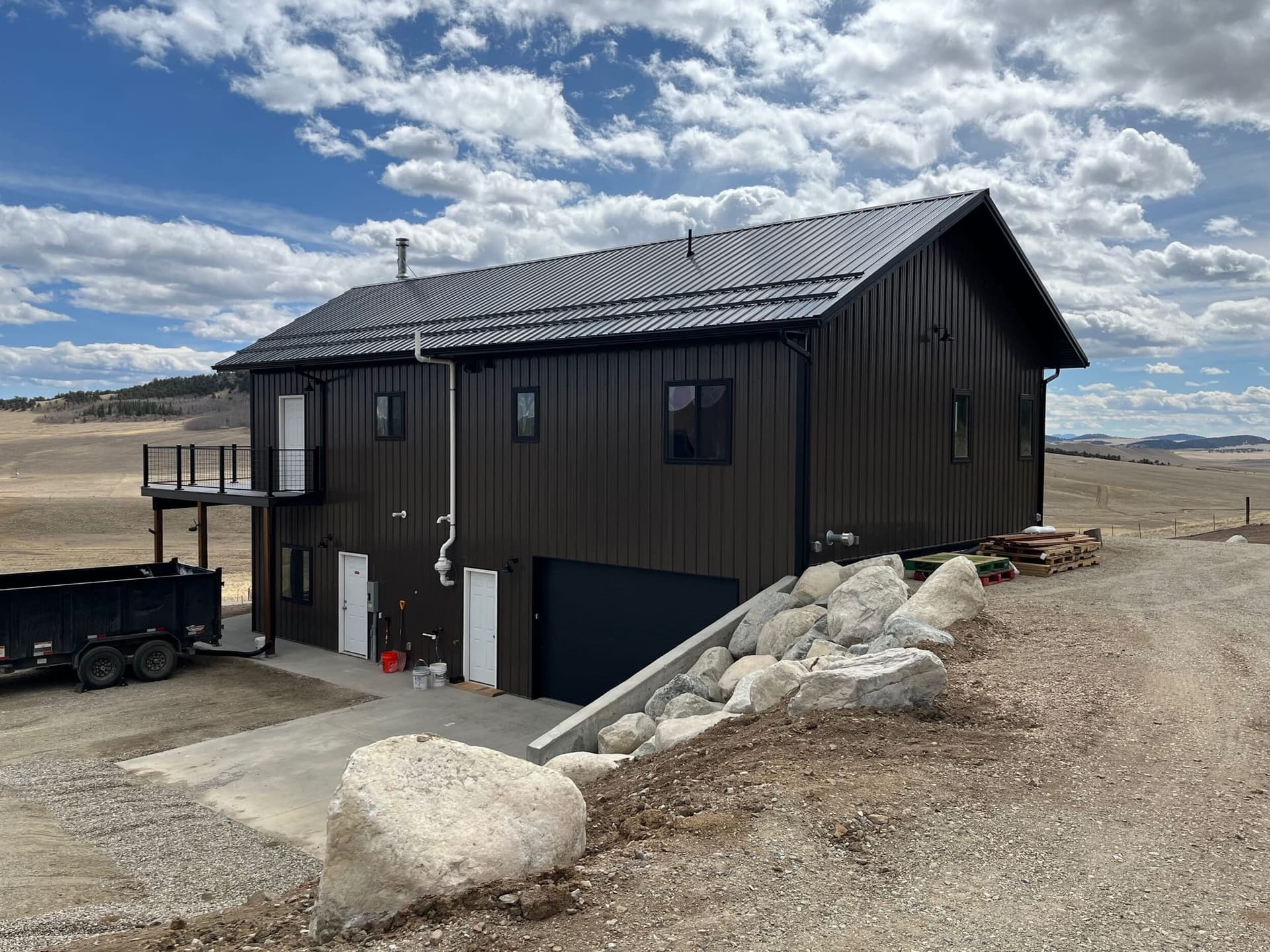
The Marshall Fire changed the wildfire map.
The December 30, 2021 Marshall Fire destroyed 1,084 homes, according to Boulder County. CU Boulder researchers documented gusts exceeding 100 mph and compound fire hazards. It is a reminder to discuss site-specific fire exposure, exterior materials, vents, roofing and the area around the home with the project's qualified professionals.2
Grass-driven fire
Windborne embers
Site-specific detailing
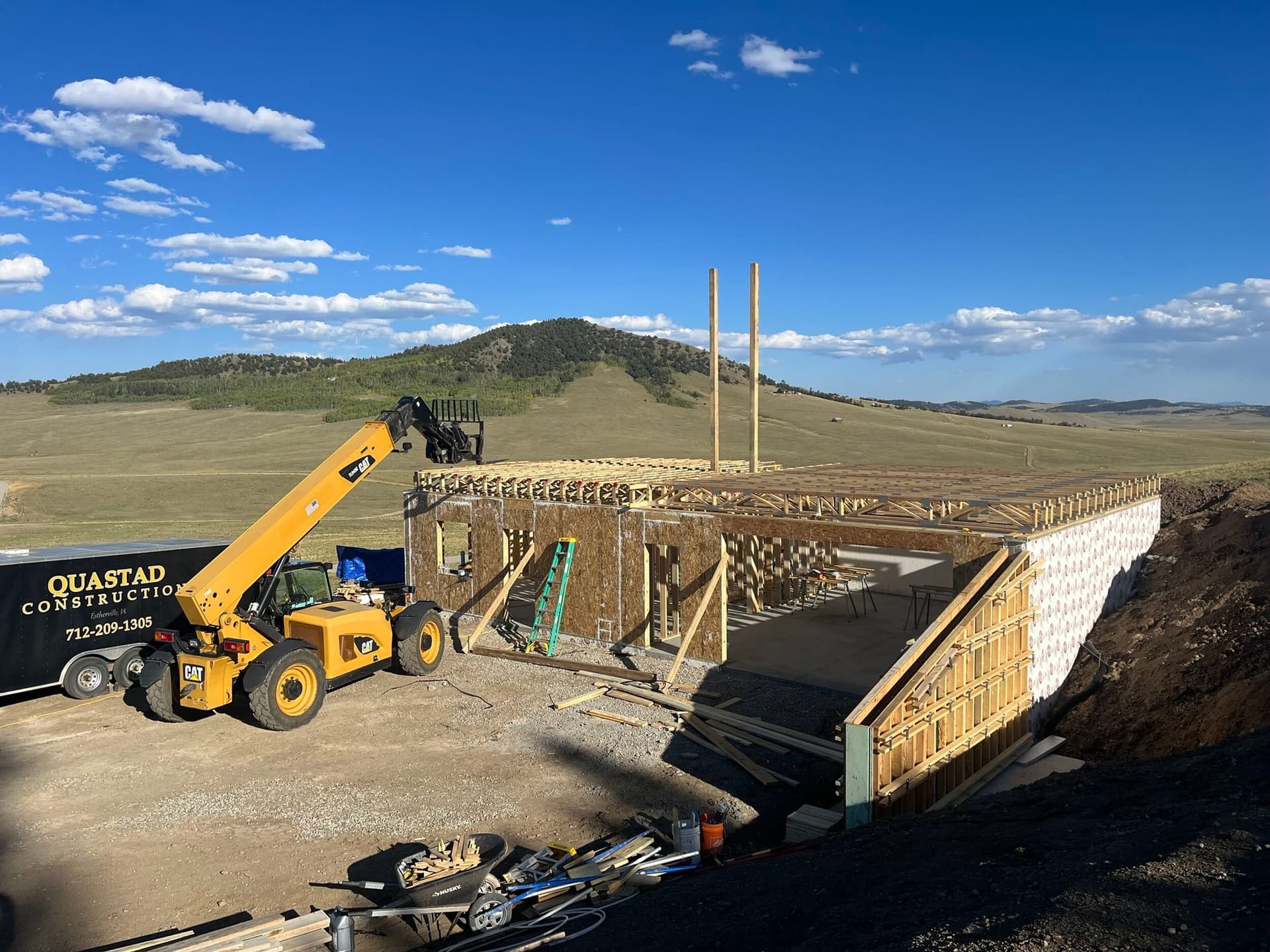
Snow and wind are local engineering numbers.
Larimer County provides site-specific wind and snow resources. Ground snow load, roof snow load and ultimate wind speed are different inputs; verify the adopted requirements with the jurisdiction and engineer. Separately labeled SIP industry tests and storm anecdotes describe particular assemblies, not a universal wind rating or substitute for project engineering.3
County-set loads
Site exposure
Engineer-led decisions
Swipe to compare
| Measure | Generic Assumption | Colorado-Ready Approach |
|---|---|---|
| Snow-load basis | One default number | County and site-specific design3 |
| Wind design | Jurisdictional minimum | Verify site-specific ultimate wind speed3 |
| SIP wall testing | Code-required assembly | Specific 6.5-inch SIP debris-impact test reported by SIPA4 |
| Severe-storm field report | Assembly performance varies | SIPA reports minimal Irma damage to a Ramrod Key MgO SIP home; different builder and system5 |
Research behind the page
Sources & Citations
- Colorado Division of Insurance, consumer resources on disaster readiness and hail insurance. Public-agency guidance supports planning for hail and reviewing coverage; this page makes no current national hail ranking or insurance-savings claim.
- Boulder County Fireshed account and University of Colorado Boulder Western Water Assessment briefing (2022) on the December 30, 2021 Marshall Fire. The county reports 1,084 homes destroyed; the university briefing documents gusts exceeding 100 mph and compound fire hazards.
- Larimer County Building Division, structural design information and wind/snow resources. Requirements depend on the site, adopted code and jurisdiction. Ground snow load, roof snow load and ultimate wind speed are distinct engineering inputs; one generic panel test cannot establish site compliance.
- Industry testing dataSIPA, SIPs and the Hurricane Impact Missile Test (2021), reporting ICC NTA testing of a particular 6.5-inch SIP assembly against a 2×4 debris impact. An assembly-specific impact test is not a universal wind-speed rating for SIPs.
- Industry testing dataSIPA industry case reporting: the Brisson house in Ramrod Key, Florida, used Innova magnesium-oxide-faced SIPs and reportedly sustained minimal damage in Hurricane Irma (2017). This is a different builder and panel system, not proof of storm performance for every SIP home.
Sources marked “Industry testing data” are SIP-industry explanations, testing or case reporting. Other sources draw on independent government, national laboratory, and public agency data, alongside identified peer-reviewed university research. A laboratory report remains a laboratory source when hosted by an industry site; hosting does not turn its results into a guarantee for your home. Photos show Kiefer Built projects, not the research test rooms or other builders’ case-study homes.
Ready to talk through a project?
Share the project type, location, timeline, and finish level you have in mind. Kiefer Built can help determine fit before planning gets too far ahead.