
Cheaper to Build Is Not Always Cheaper to Own
The construction price is paid once. Energy use, weather exposure, maintenance, and repairs continue through every year you live in the home.
A bid is a snapshot. Ownership is the full film.
The right up-front decision is not automatically the most expensive one, and a high-performance feature is not automatically a good investment. The honest comparison asks what each choice changes over the years you expect to live there, then makes that tradeoff visible before construction.
Energy costs repeat every month.
DOE's typical 40–50% certified-home efficiency improvement is not a promise of the same percentage reduction in bills. Its 2015 Mantell-Hecathorn Durango case reports HERS 50 without solar PV and 21 with PV for an advanced wood-framed home. These ratings describe that project; actual costs depend on design, climate, energy prices and occupancy.12
Recurring savings
Case-specific results
Transparent assumptions
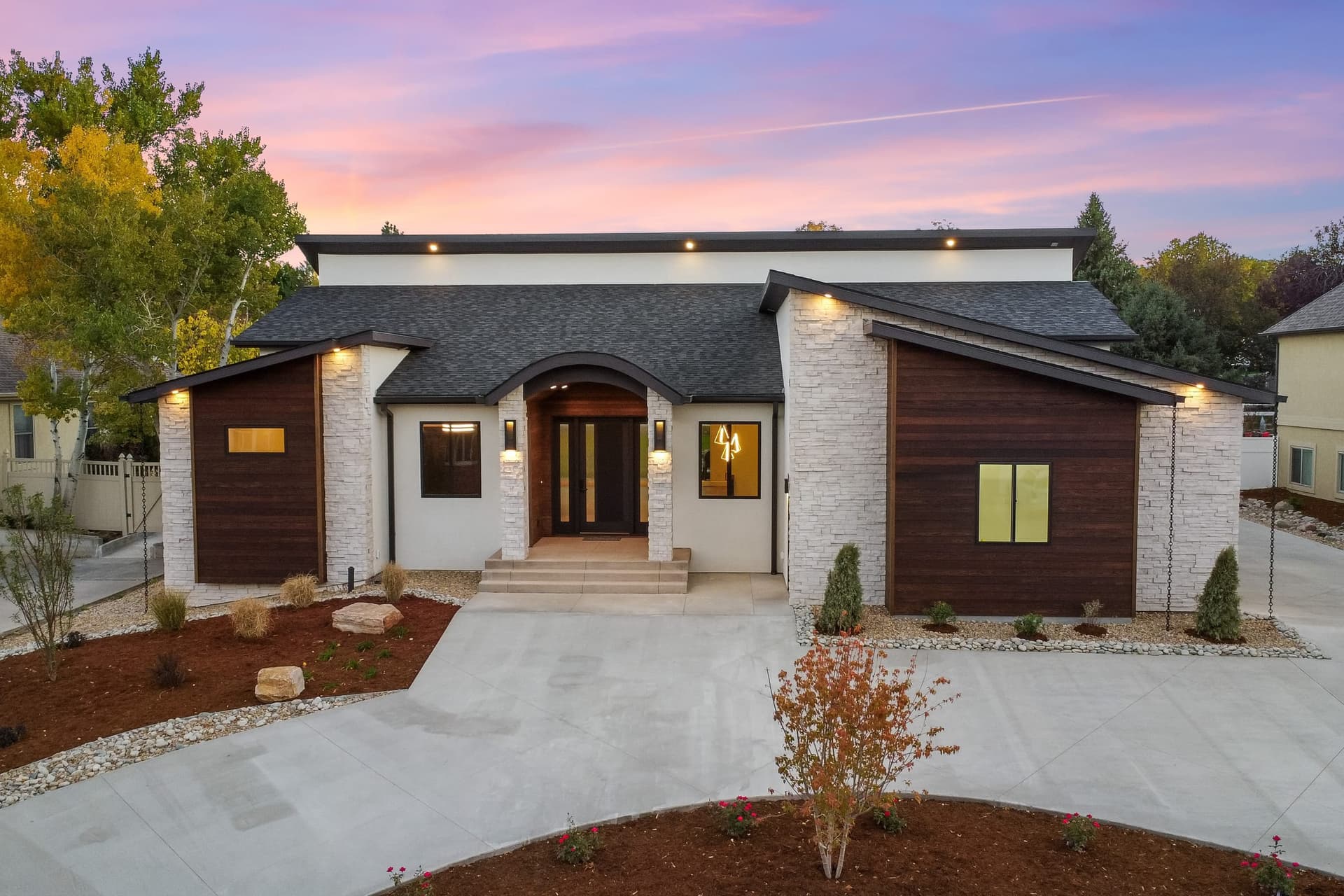
Colorado weather belongs in the ownership budget.
Colorado's Division of Insurance includes hail in its disaster-readiness guidance. Impact-rated roofing and durable exterior assemblies are options worth discussing alongside replacement costs, coverage terms and site exposure. Check the actual policy and insurer's requirements before assuming a premium discount or coverage benefit.3
Hail exposure
Replacement cycles
Insurance conversation
The most useful partner makes tradeoffs visible.
Kiefer Built's role is to explain what a proposed assembly costs, what evidence supports it, and what risk or operating expense it may reduce. That is the long view behind a forever home: not the most features, but the clearest decisions for the next forty years of living there.
Open tradeoffs
Evidence before upgrades
Long-term fit
Free homeowner resource
The Kiefer Built Homeowner Guide
2026 homeowner guide with practical project questions, sources and their limits.
Research behind the page
Sources & Citations
- U.S. Department of Energy, Efficient New Homes program, formerly Zero Energy Ready Home. DOE describes certified homes as typically 40–50% more efficient than typical new homes. Certification requires defined whole-home measures and third-party verification; no Kiefer Built project certification is implied here.
- U.S. Department of Energy, 2015 case study: Mantell-Hecathorn Builders, Shenandoah Circle, Durango, Colorado. This 3,841-square-foot advanced wood-framed home had a HERS rating of 50 without solar PV and 21 with PV. Ratings and estimated savings describe that home, not Kiefer Built work or measured future bills.
- Colorado Division of Insurance, consumer resources on disaster readiness and hail insurance. Public-agency guidance supports planning for hail and reviewing coverage; this page makes no current national hail ranking or insurance-savings claim.
Sources marked “Industry testing data” are SIP-industry explanations, testing or case reporting. Other sources draw on independent government, national laboratory, and public agency data, alongside identified peer-reviewed university research. A laboratory report remains a laboratory source when hosted by an industry site; hosting does not turn its results into a guarantee for your home. Photos show Kiefer Built projects, not the research test rooms or other builders’ case-study homes.
Ready to talk through a project?
Share the project type, location, timeline, and finish level you have in mind. Kiefer Built can help determine fit before planning gets too far ahead.