
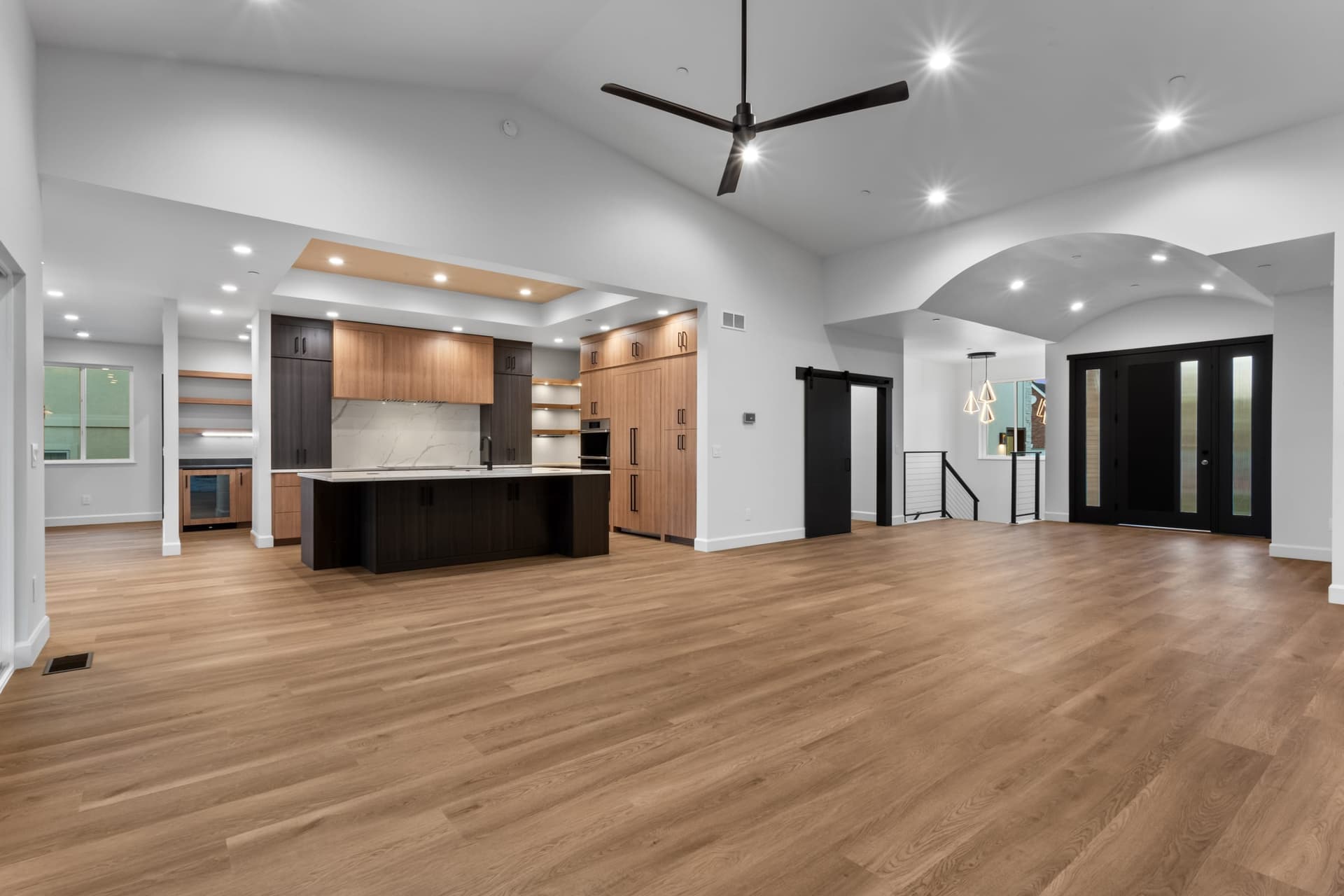
Indoor Air Quality Is a Building Decision
A healthy-air strategy needs both halves: an airtight shell that stops random infiltration and planned ventilation that manages fresh air on purpose.
The air inside behaves like its own weather system.
Dust, moisture, combustion byproducts, and compounds released by materials are shaped by the shell and mechanical systems around them. Because people spend most of their time indoors, air management belongs in the design conversation—not as an accessory added after the plans are finished.
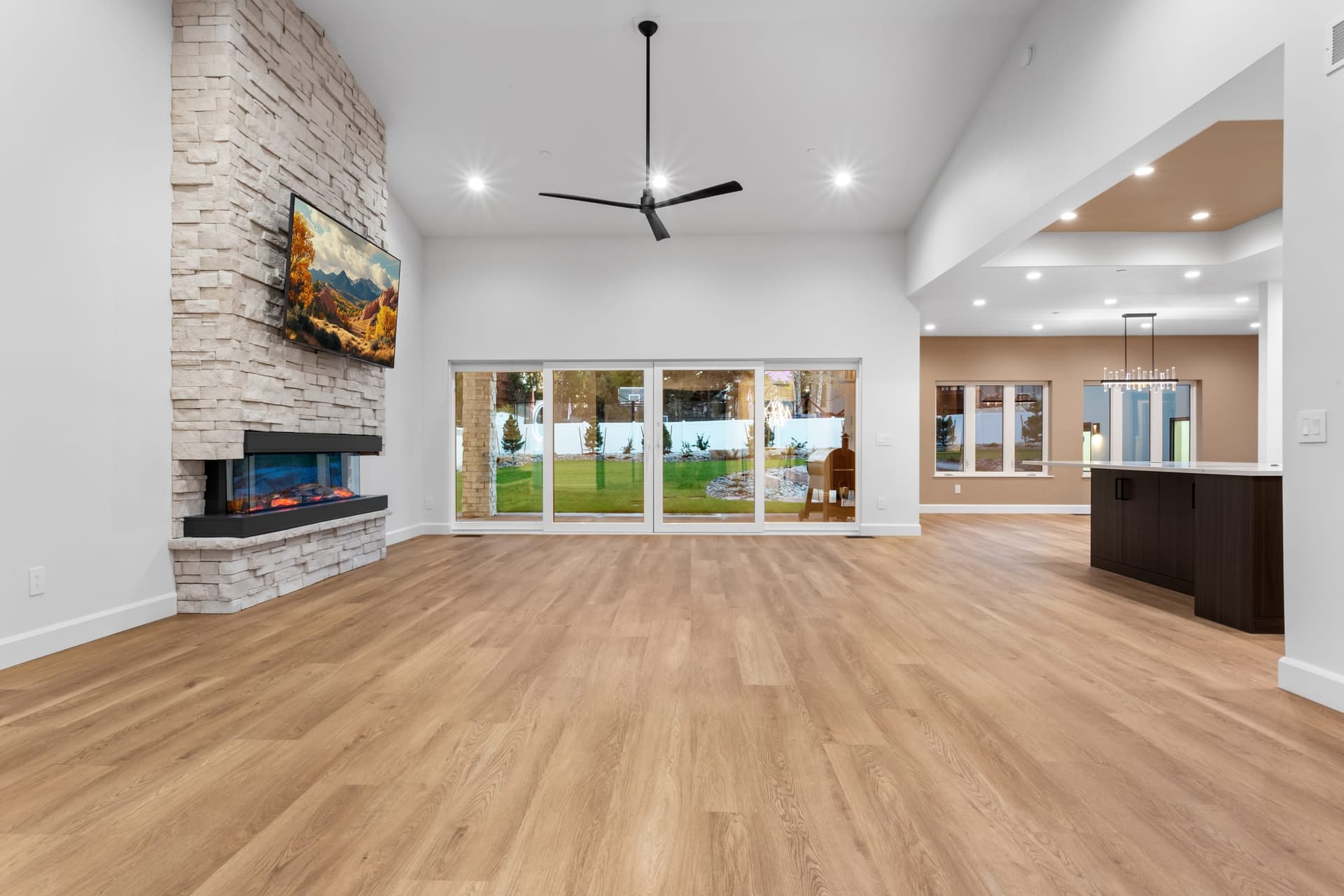
A leaky home is not a naturally ventilated home.
Cracks and gaps admit air from wherever pressure finds a path, along with pollen, smoke, garage contaminants, and moisture. EPA research reports some indoor pollutant concentrations at two to five times typical outdoor levels and explicitly warns that tighter construction without sufficient ventilation can also make the problem worse by trapping pollutants.1
Uncontrolled infiltration
Trapped pollutants
Moisture risk
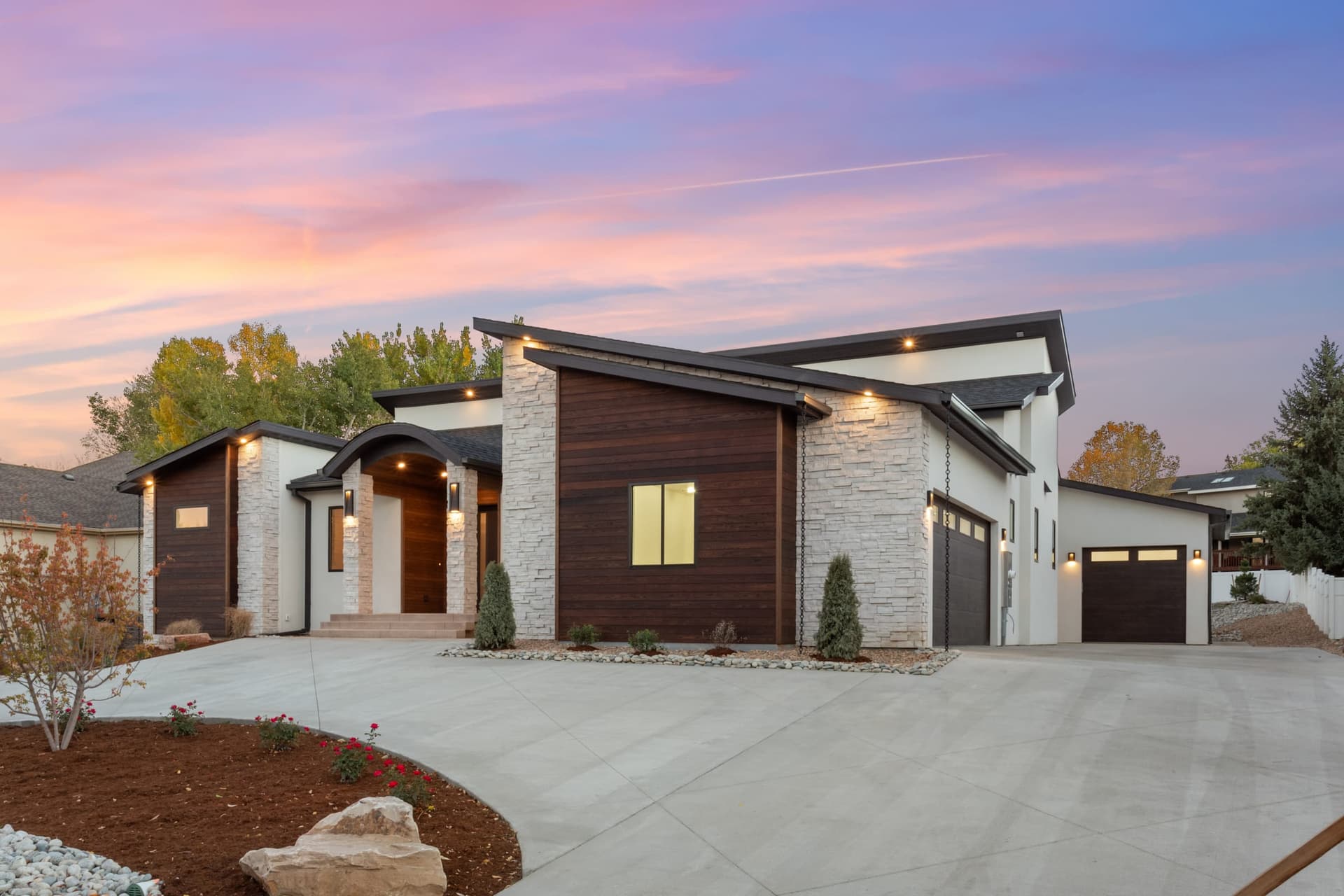
Airtight and ventilated—not one or the other.
Plan fresh-air exchange alongside air sealing. A 2017 Austrian field study compared 123 modern homes with mechanical or natural ventilation. Residents reported better perceived air quality and climate with mechanical ventilation, while overall health did not differ significantly. This is not evidence that a particular Kiefer Built home prevents illness. A project can evaluate balanced, filtered ventilation for its specific design.12
Controlled fresh air
Filtered intake
Balanced system design
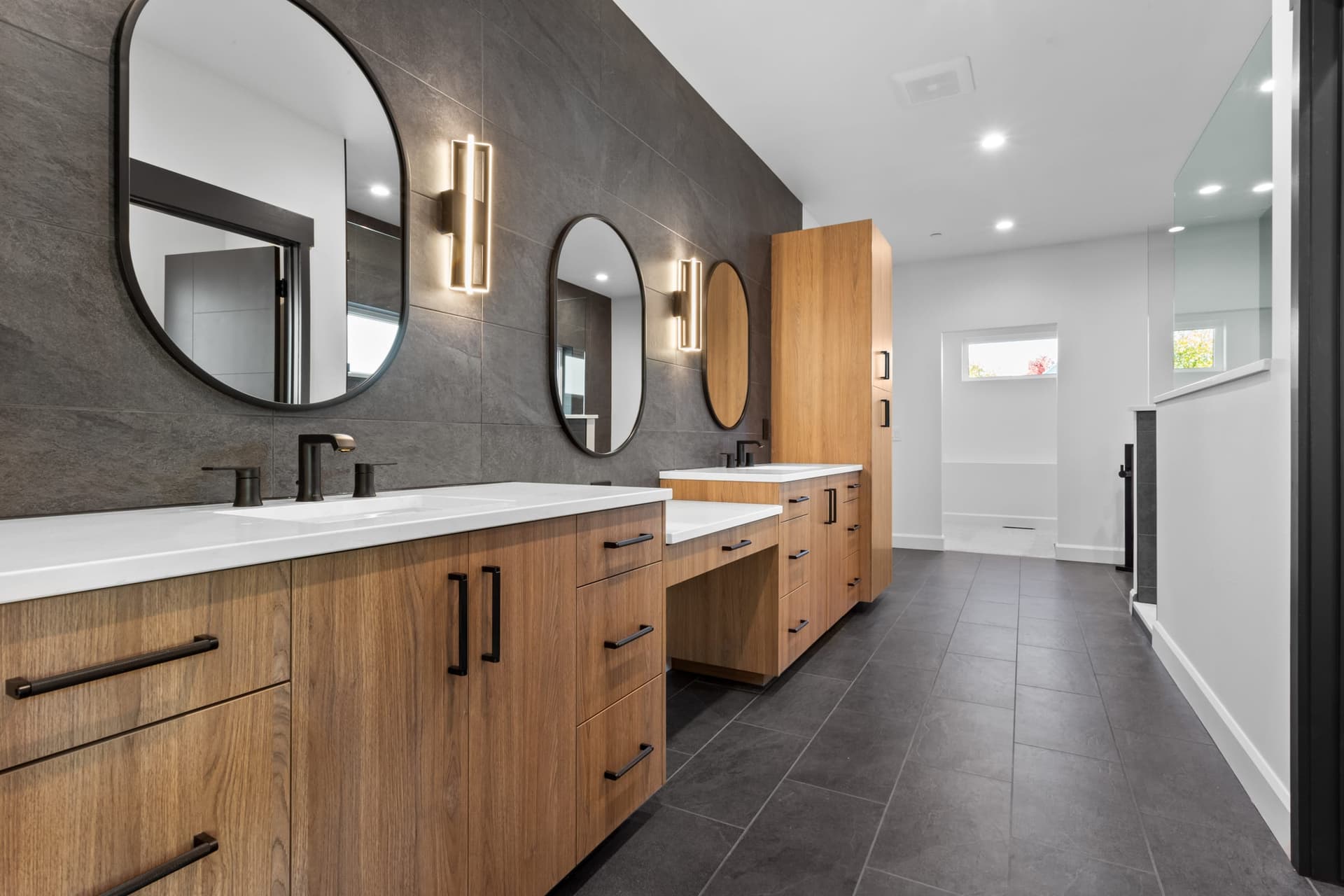
Use a recognized standard to define the details.
DOE Zero Energy Ready Home certification requires EPA Indoor airPLUS measures covering moisture control, combustion safety, ventilation, and low-emission material selection. Even when a project is not pursuing certification, those requirements provide a useful, specific framework for deciding what belongs in scope and how it will be verified.34
Moisture management
Combustion safety
Low-emission choices
Research behind the page
Sources & Citations
- U.S. Environmental Protection Agency, The Inside Story and Report on the Environment. Some indoor pollutant concentrations are two to five times outdoor levels; Americans spend roughly 90% of their time indoors. Tight construction needs adequate ventilation.
- Wallner et al., Health and Wellbeing of Occupants in Highly Energy-Efficient Buildings: A Field Study (2017), peer-reviewed Austrian research. Residents of 123 modern homes reported better perceived air quality and climate with mechanical ventilation; overall health did not differ significantly between the groups.
- U.S. Environmental Protection Agency, Indoor airPLUS Program requirements, as incorporated into the U.S. DOE Zero Energy Ready Home National Program Requirements. Certification-level requirements covering moisture control, combustion safety, ventilation, and low-emission material selection.
- U.S. Department of Energy, Efficient New Homes program, formerly Zero Energy Ready Home. DOE describes certified homes as typically 40–50% more efficient than typical new homes. Certification requires defined whole-home measures and third-party verification; no Kiefer Built project certification is implied here.
Sources marked “Industry testing data” are SIP-industry explanations, testing or case reporting. Other sources draw on independent government, national laboratory, and public agency data, alongside identified peer-reviewed university research. A laboratory report remains a laboratory source when hosted by an industry site; hosting does not turn its results into a guarantee for your home. Photos show Kiefer Built projects, not the research test rooms or other builders’ case-study homes.
Ready to talk through a project?
Share the project type, location, timeline, and finish level you have in mind. Kiefer Built can help determine fit before planning gets too far ahead.